La Carbonería: what the famous free flamenco bar in Seville is actually like
Free entry, a drink in your hand, about thirty minutes of flamenco, and no promise of a seat unless you turn up early. That trade is the whole story of La Carbonería.
 By Carmen Ruiz, Seville flamenco show specialist & cultural experience guide
Short answer
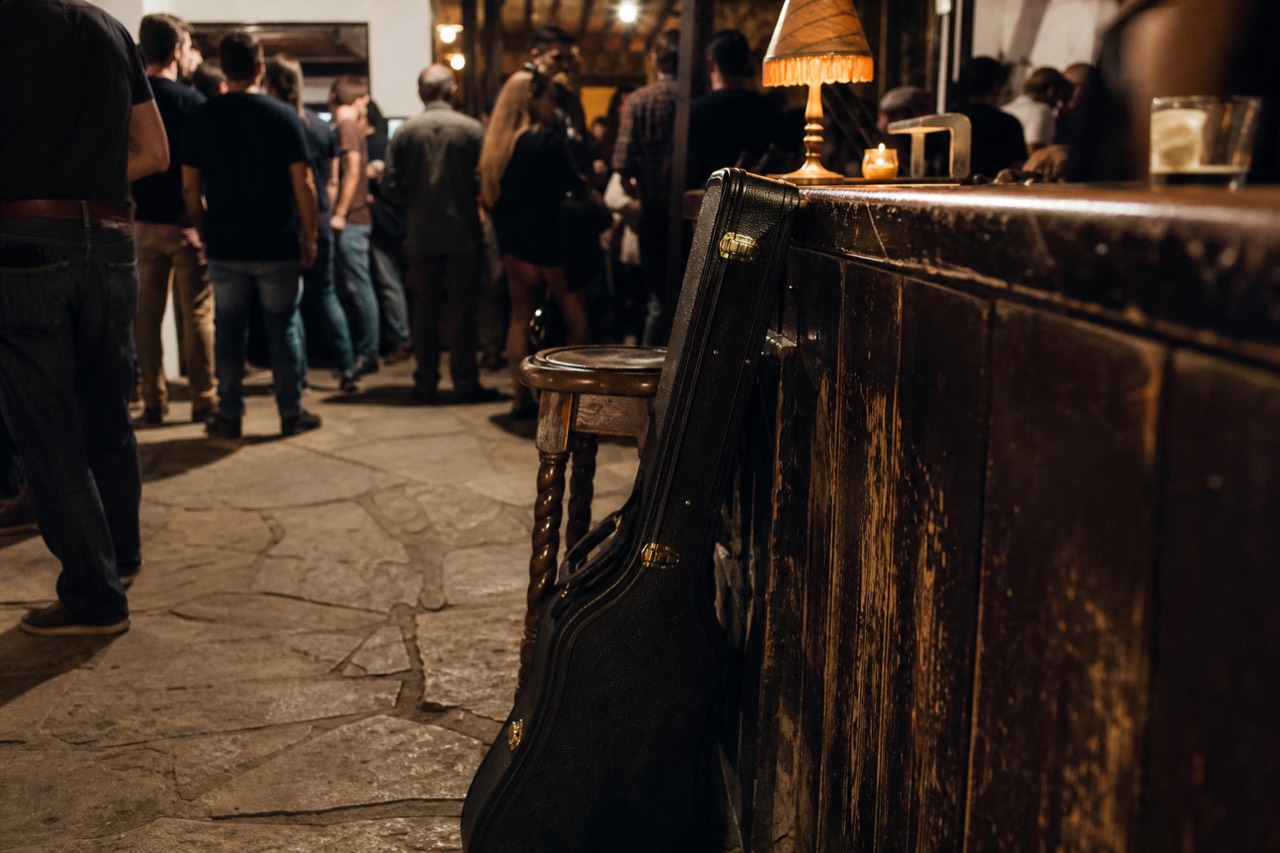
La Carbonería is a rustic bar in central Seville, housed in a former coal yard, that still charges nothing to watch flamenco. Entry is free and you pay only for drinks and food, with cash noted in several accounts. Sets run roughly thirty minutes, repeat through the evening, and seats go to whoever gets there first.
The name means coal yard, and the building really was one. Nobody restored it into anything polished. That is the appeal and also the warning: La Carbonería is a bar that happens to have flamenco in it, not a room built so that forty people can hear a singer breathe. Both things are worth doing in Seville. Confusing one for the other is how travellers end up standing at the back of a loud room, disappointed, having read for months that this was the authentic option.
What is La Carbonería, and why does every Seville list mention it?
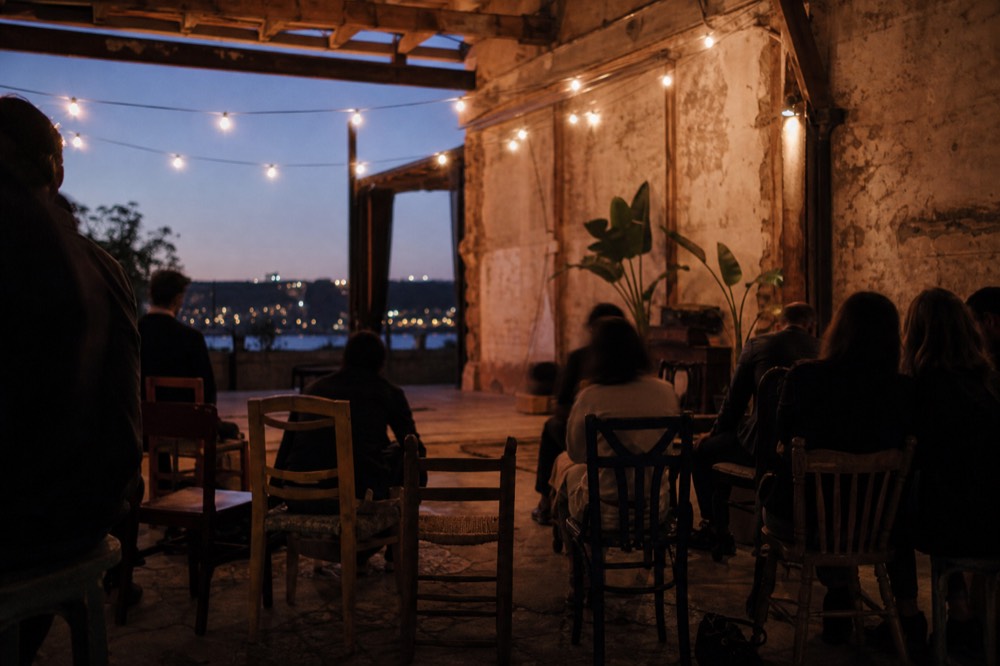
La Carbonería is a plain, rustic bar in the old town of Seville, set in a former coal merchant's yard, where flamenco happens most evenings at no charge. It sells no tickets and takes no reservations. You buy a drink, find a spot, and the music starts when it starts.
The reputation feeds itself. Every guidebook chapter, every forum thread, every list of things to do in the city names it, so every new visitor arrives already primed, which keeps the room full, which keeps it on the lists. That loop has been running for decades. The bar earns its money on drinks rather than admission, which is why the door stays open and why nobody is checking whether you came for the art or the beer.
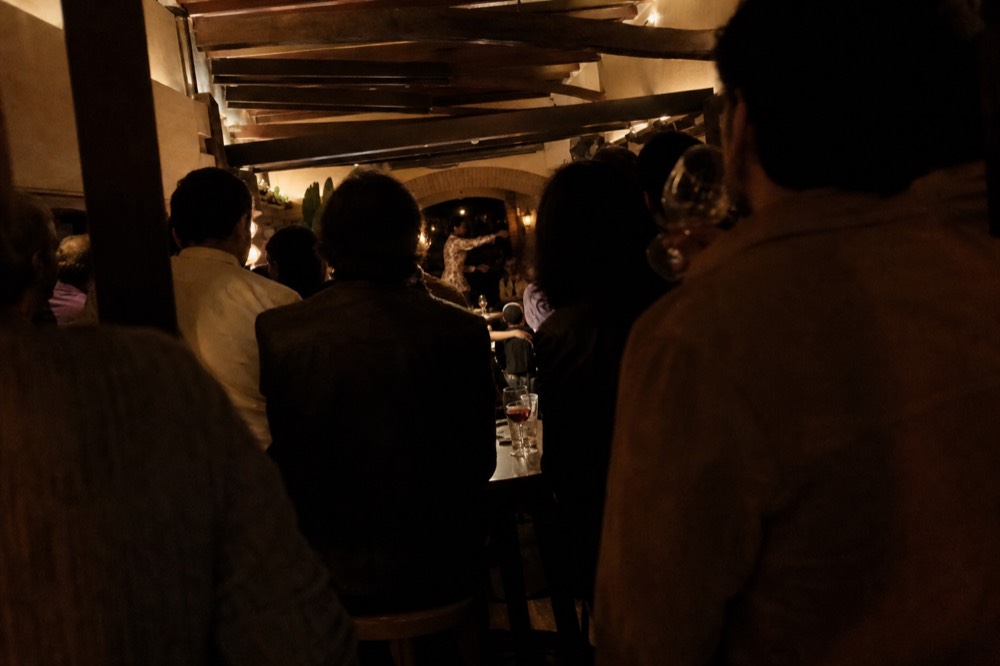
What you get is a shared space rather than a stage discipline. Locals, exchange students, backpackers and people who read the same paragraph you read all end up in the same room. Conversation does not stop for the singer. There is no sound engineer balancing a cajón against a voice, no usher seating people between numbers, no curtain call. When the artists are good and the room settles, the effect is closer to how flamenco actually lived for most of its history than anything with a ticket stub. When the room does not settle, you are listening to a guitar through a wall of chatter.
That variability is the honest headline, and it is why this site keeps both options on the table. The free scene is real and covered in full in the roundup of every free flamenco option in the city; the ticketed rooms are covered across the classic Santa Cruz tablaos. This page is about one venue and whether it deserves a night of your trip.
| La Carbonería at a glance | Current position |
|---|---|
| Entry | Free, no tickets sold |
| What you pay for | Drinks and food only |
| Payment | Cash noted in several visitor accounts |
| Format | Bar with a performance space, not a tablao |
| Set length | Around 30 minutes |
| Sets per evening | Several, spread through the night |
| Typical first set | Roughly 7:00 to 8:30 pm, varies by night |
| Seating | First come, no reservations, standing room once full |
| Line-up published in advance | No |
Is La Carbonería still open, and is it still free?
Yes on both counts. Reports running through 2026 have the bar open, with free entry and payment only for drinks and food. Nothing in current listings or venue reporting points to a closure, a relocation, or the arrival of a cover charge. Cash is mentioned often enough to be worth carrying.
The question comes up constantly because the place has been rumoured shut roughly once a year for as long as it has been famous. Old bars in central Seville do close, leases do change, and a venue with no ticketing system leaves no digital trail when it goes dark for a week. So the rumour is cheap to start and hard to disprove.
Checking the current picture across venue pages and recent visitor reporting turns up no closure, no move and no renovation notice for the free bar. The same check across the ticketed rooms nearby found the schedules intact: the rooftop venue under the Metropol Parasol is running its 2026 season, and Orillas de Triana continues to sell its compact riverside sets. That matters more than it sounds. When a traveller plans an evening around a venue that publishes nothing, the ticketed rooms become the fallback, and the fallback needs to be real.
Treat the free format as current rather than permanent. A bar can add a door charge on a busy Saturday, shorten its schedule in low season, or run no flamenco at all on a given night, and none of that will be announced anywhere you can check from another country. The practical response is not to cancel the idea. It is to keep the evening flexible and to know what the paid floor costs before you walk over.
| Venue status check, 2024 to 2026 | What the current record shows |
|---|---|
| La Carbonería | Open, free entry, drinks-only spend |
| Orillas de Triana | Ticketed sets continuing on 2026 listings |
| Tablao under the Metropol Parasol | Active 2026 season, four sets a night |
| Casa Flamenco Azahar | No closure, relocation or renovation reports found |
What time do you need to arrive for a seat?
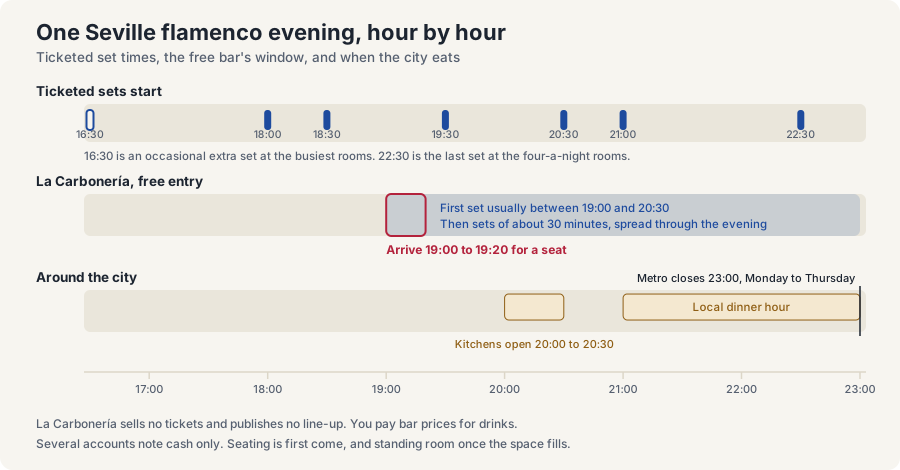
Current visitor guidance points at being inside before roughly 7:00 to 7:20 pm. Sets often begin somewhere between 7:00 and 8:30 pm depending on the night, and the room fills long before the first note. Arrive later and you stand, usually behind a row of raised phones.
Seville runs on a clock that catches out first-time visitors. Ticketed flamenco across the city starts early by northern European or American standards, commonly between 6:00 and 8:30 pm, with the busiest cluster around 7:00 to 8:30. One central room runs four hour-long sets a night at 18:00, 19:30, 21:00 and 22:30, and adds a 16:30 slot in peak demand. Another runs two, at 18:30 and 20:30. So the whole city is playing flamenco while most travellers are still thinking about dinner.
Dinner, meanwhile, does not start until 9:00 pm for locals, and restaurants often do not open their kitchens before 8:00 or 8:30. That gap is the reason the early flamenco slots exist at all, and it is the reason a free bar set at 7:00 pm competes directly with the cheapest ticketed hour of the night rather than with dinner.
For the free bar the practical rule is simple: the seat is the prize, and the only currency that buys it is arriving early. An hour of waiting for a thirty-minute set is a real cost, and pretending otherwise is how the free option gets oversold.
| Time | What is happening across the city |
|---|---|
| 16:30 | Occasional extra early set at high-demand rooms |
| 18:00 to 18:30 | First ticketed sets of the evening begin |
| 19:00 to 19:20 | Practical arrival window for a seat at the free bar |
| 19:30 to 20:30 | Second ticketed sets; free bar sets often start |
| 21:00 | Third ticketed sets; local dinner hour opens |
| 22:30 | Last ticketed sets at the four-a-night rooms |
| 23:00 | Metro closing time Monday to Thursday |
What does a night there actually cost?
Nothing at the door and whatever you drink at the bar. That is genuinely cheap, but it is not free: two or three rounds across a long evening closes most of the gap to a ticketed hour, and the ticketed hour comes with a guaranteed seat, a published line-up and, at many venues, a drink already included.
Put the numbers side by side and the free option looks less like a bargain and more like a different product. Local show-only tablao tickets in the city sit around 20 to 25 euros, usually with one drink included. On this site the ticketed floor starts at $24 for an hour at Casa de la Guitarra, $26 at Orillas de Triana and $27 at Baraka in Triana, the last two with a drink in the price. Tapas around town run 3 to 5 euros a dish and a menú del día lands between 13 and 17 euros, so the whole evening is affordable either way. Seville also charges no tourist tax, which removes one line item that catches people out in other Spanish cities.
The decision is really about what the money buys. At the bar, spending more does not improve your position: the seat is gone, the sound is what it is, and a second drink does not move you closer. At a ticketed room, the spend is fixed and front-loaded, and everything else about the evening becomes predictable. For travellers with one night in the city and no appetite for a gamble, the cheapest ticket in town does more work than three drinks in a crowded bar. If that is the call, check tonight's times and the current price at Casa de la Guitarra before you commit the evening to a room that publishes nothing.
| Line item | La Carbonería | A ticketed hour |
|---|---|---|
| Door | Free | $24 to $34 typical on this site |
| Drink | Bought at bar prices, cash noted | Included at several rooms |
| Seat | Free if early, otherwise standing | Reserved or first-come inside a small room |
| Set length | About 30 minutes | 60 to 90 minutes |
| Cancellation risk | None to cancel, none guaranteed either | Free cancellation up to 24 hours out |
| Total for one person | Cost of two or three rounds | One fixed ticket price |
What is the flamenco at La Carbonería actually like?
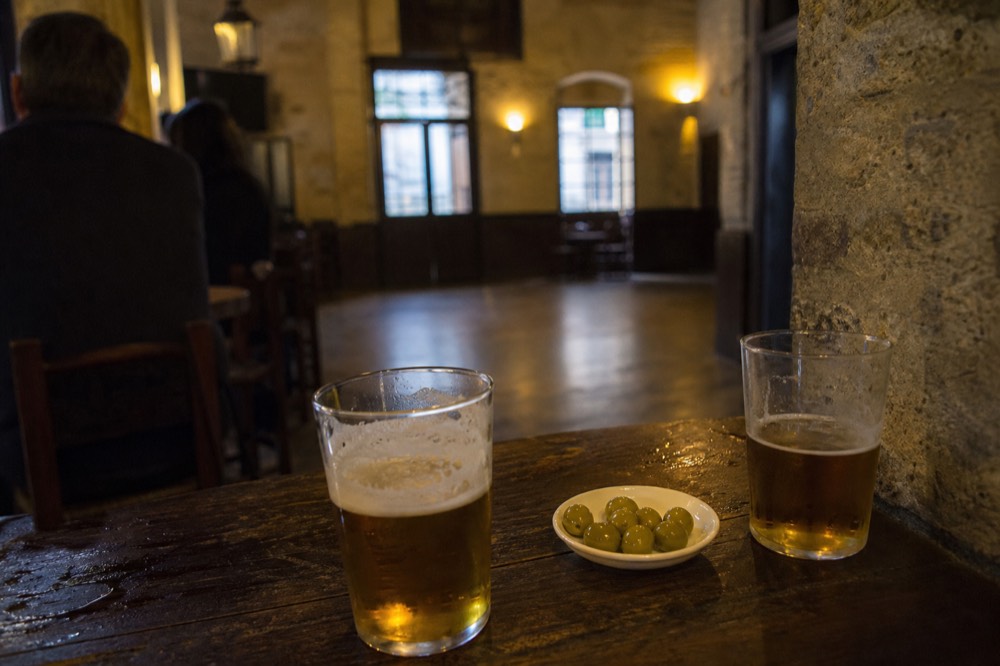
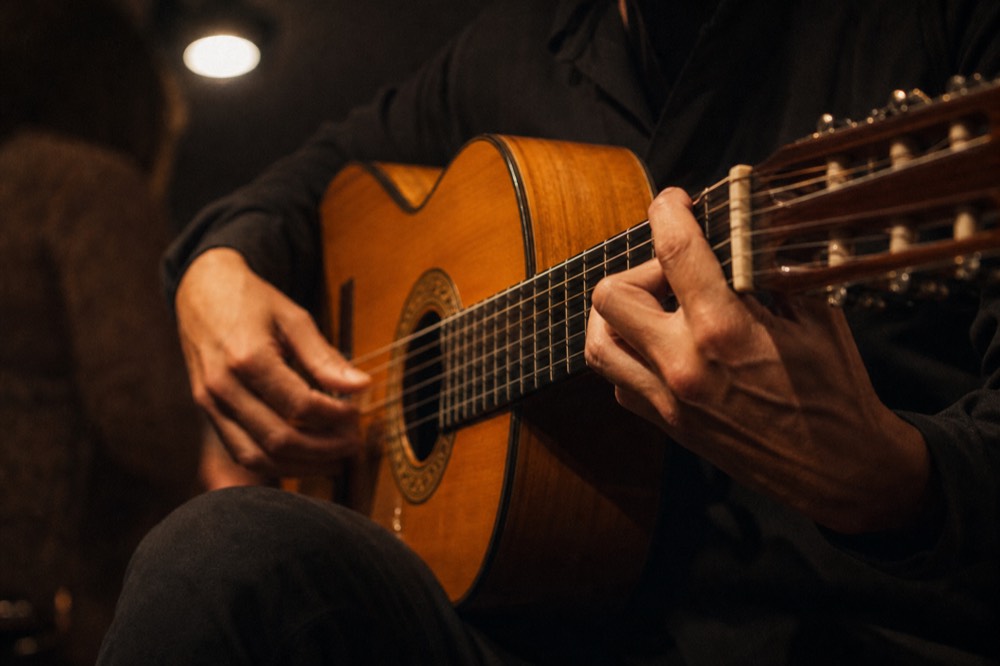
Thirty minutes, whoever is booked that night, in a room built for drinking rather than listening. On a good night the cante cuts through and the floor goes quiet. On an average night you catch about half of it over the bar noise. No line-up is published in advance, so the quality is genuinely unknown until the first note.
This is the sharpest difference between the free bar and the ticketed rooms, and it has nothing to do with talent. Seville's paid venues publish exactly what they are selling. Casa de la Memoria fields four artists, two dancers with a singer and a guitarist, and runs the hour without microphones. La Casa del Flamenco puts five on the floor of a fifteenth-century courtyard, also unamplified. Los Gallos, running since 1966, uses eight: three dancers, three singers, two guitars. Tablao El Arenal can put up to fifteen performers into a seventy-five-minute set. Those are contractual promises, and if the room disappoints, the listing is still there to argue with.
The bar promises none of that, which is not a scandal. It is the deal. What you are buying with your patience is atmosphere and chance: the possibility of a singer taking a soleá somewhere unplanned in front of thirty people who did not pay to be there. Flamenco has always lived in rooms like this alongside the professional stages, and the art form's UNESCO listing as intangible cultural heritage, inscribed in 2010, covers the whole living practice of cante, baile and toque, not just the ticketed version.
Set your expectations by palo rather than by production. Thirty minutes is time for a handful of numbers, likely fast and festive rather than deep. If the reason you came to Seville is to hear cante jondo properly, in silence, that is a ticketed-room experience and there is no way around it.
| What the room promises | Artists | Length | Amplified |
|---|---|---|---|
| La Carbonería | Not published | About 30 minutes | Bar acoustics, no engineered sound |
| Casa de la Memoria | 4 | 1 hour | No microphones |
| La Casa del Flamenco | 5 | 1 hour | No microphones, natural courtyard acoustics |
| Tablao Los Gallos | 8 | 90 minutes | Stage sound |
| Tablao El Arenal | Up to 15 | 75 minutes | Stage sound |
How does a free bar set compare with a ticketed hour?
On atmosphere and price the bar wins. On sound, seating, length, artist count and certainty the ticketed room wins, and it is not close. The ticketed hour also carries free cancellation up to 24 hours out at every venue listed here, which makes booking one as insurance genuinely costless.
The comparison people usually make is authenticity against tourism, and that framing is lazy. The unamplified rooms in Santa Cruz are not tourist traps with a spotlight: no microphones means the singer has to fill the room with an actual voice, and a fifteenth-century courtyard does the rest. The intimate Triana rooms put four artists in front of a few dozen chairs. If anything, a quiet room exposes a weak performer far more brutally than a noisy bar does.
The better framing is control. At the bar you control nothing except when you arrive. In a ticketed room you control the date, the start time, the fact that you will be sitting, and your ability to walk it back the day before at no cost. For a couple building one evening around flamenco, that difference is worth far more than the price gap.
There is a middle path that most itineraries miss. Book the cheap ticketed hour early in the evening, then walk to the bar afterwards for the late set with nothing riding on it. If the bar is electric, you have had two experiences. If it is a wall of noise, you already saw the real thing. The unamplified hour at Casa de la Memoria sells out on plenty of nights, so check which start times are still open before you build the night around it.
| What you care about | Free bar | Ticketed hour |
|---|---|---|
| Guaranteed seat | No | Yes, reserved or first-come inside the room |
| Published line-up | No | Yes, artist counts stated |
| Sound | Competing with the bar | Unamplified or engineered by design |
| Length | About 30 minutes | 60 to 90 minutes |
| Booking | None possible | Online, instant |
| Changing plans | Free by definition | Free up to 24 hours out |
| Suits small children | Poorly, late and crowded | Age guidance published per venue |
| Best for | Atmosphere, budget, second helpings | The one night you cannot get wrong |
Who should skip La Carbonería, and who will love it?
Skip it if you have one evening, small children, mobility needs, or a real interest in hearing the singing clearly. Love it if you are travelling on a budget, staying several nights, happy to arrive early with nothing riding on the outcome, or already sold on flamenco and looking for a second, looser helping of it.
The single-night traveller is the clearest case. One evening in Seville is not the night to gamble on whether a bar is busy, whether the artists showed, or whether you can see over the crowd. Those travellers are better served by an hour with a seat, and this site keeps a whole guide to picking between the venue types for exactly that reason.
Families need the age note. The ticketed rooms publish theirs plainly: Casa de la Memoria and La Casa del Flamenco both say the hour is not recommended under six, Teatro Flamenco Triana takes no under-sixes at all, the vault show under the Dance Museum sets its floor at ten, and Baraka in Triana at four. A late-night bar publishes nothing because it does not have to, and a crowded room at 10:00 pm answers the question by itself.
The people who genuinely love it tend to have two things in common: time and low expectations. On a four-night trip, with a paid show already seen, an unplanned hour in a coal yard listening to whoever turned up is a good use of an evening. It is a terrible use of the only one.
| Traveller | Free bar | Ticketed room | Why |
|---|---|---|---|
| One night in Seville | Weak | Strong | No second chance if the room is flat |
| Four nights or more | Strong | Strong | Room for both, in either order |
| Travelling with under-tens | Weak | Depends on venue | Age guidance is published per listing |
| Budget under 30 euros for the night | Strong | Strong at $24 to $27 | Drinks add up either way |
| Came for the cante | Weak | Strong | Silence is the product |
| Solo traveller | Strong | Strong | Bar is easier to fall into conversation in |
There is one more group worth naming, because they are the ones who write the disappointed reviews: travellers who arrive expecting a museum piece. The bar is not curated, not explained, and not sequenced for someone learning the difference between a soleá and a bulería. Nobody introduces the palos or tells you why the room shouts back. Rooms that do that work exist, and they are ticketed. Anyone who wants the art explained before it is performed should start with a venue that builds an introduction into the hour, then come to the bar afterwards knowing what to listen for.
How do you fit both into one evening?
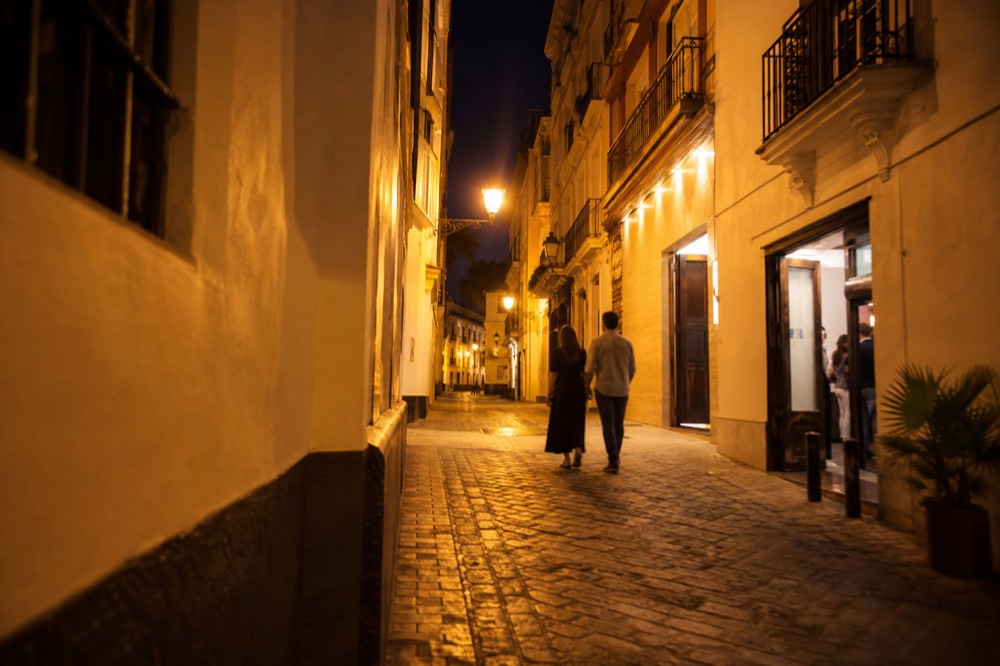
Take the early ticketed set, eat late the way the city does, then walk to the bar for the last stretch. An 18:00 or 18:30 show ends well before restaurant kitchens fill at 21:00, and the free bar keeps going long after. Reverse the order only if you have a spare night to burn.
Plan A works because it front-loads the certainty. The early set is the cheapest slot at most rooms, the seat is yours, and the night is already a success by 19:30. Dinner then lands in the local window of 9:00 to 11:00 pm, which is when the tapas bars are actually good rather than half empty and serving early tourists. The bar becomes dessert.
Plan B, bar first, is the one that goes wrong. To get a seat you commit to arriving before roughly 7:20 pm, which knocks out every early ticketed slot. If the set underwhelms, the only rooms still selling are the 21:00 and 22:30 starts, and by then you are choosing between flamenco and dinner. It works on a longer trip and it fails on a short one. If you do hold the evening open for the bar, the hours before it still need filling, and an hour on the Guadalquivir does it without stranding you across town, since the boats leave from the Torre del Oro quay a short walk from the old-town streets: check the tour here and you can still be inside before the seats go.
Getting home is the last piece. The metropolitan transport network runs the metro until about 11:00 pm Monday to Thursday and until roughly 2:00 am on Friday and Saturday; the tram runs later still, closer to 11:30 pm on quiet days and between 1:30 and 2:00 am at weekends. Taxis and app cars run around the clock, so a late night ending across the river in Triana is not a problem, just a fare. For a Triana-side evening the neighbourhood plan is laid out in the Triana flamenco walkthrough. If you want the whole evening ticketed instead, the theatre production at Teatro Flamenco Sevilla runs several curtains a night, so pick the curtain that fits your dinner reservation rather than reshaping the evening around a single fixed time.
| Plan A: show first | Plan B: bar first | |
|---|---|---|
| 18:00 to 18:30 | Ticketed set, seated | Nothing, waiting |
| 19:00 to 19:20 | Walking, drink | Arrive at bar for a seat |
| 19:30 to 20:30 | Free bar set, no pressure | Free bar set |
| 21:00 to 23:00 | Local dinner hour, tapas bars busy | Chasing a late ticketed slot or dinner |
| Risk if the bar is flat | Already saw a full show | Evening rests on it |
| Best for | One or two nights in the city | Three nights or more |
Frequently asked questions
Do you need to book La Carbonería in advance?
No, and you cannot. The bar sells no tickets and takes no reservations, so the only lever you have is arrival time. Current guidance points at being inside before roughly 7:00 to 7:20 pm if you want to sit. Several visitor accounts also mention cash rather than card, so carry some.
Is the flamenco free every night?
Entry has stayed free through 2026 reporting, with spend limited to drinks and food. The schedule is a different matter: sets run about 30 minutes and repeat through the evening, with the first typically between 7:00 and 8:30 pm depending on the night, and nothing is published in advance. Treat the timing as a pattern rather than a promise.
Is La Carbonería better than a paid tablao?
Different, not better. The bar wins on price and looseness. A ticketed room wins on sound, seating, length and certainty: four to fifteen named artists instead of an unpublished line-up, 60 to 90 minutes instead of 30, and free cancellation up to 24 hours out. The honest split is covered in the roundup of free options across the city.
Can you take children to La Carbonería?
It is a late, crowded bar with no seating guarantee, which answers most of it. Ticketed venues publish real age guidance instead: not recommended under six at Casa de la Memoria and La Casa del Flamenco, no under-sixes at Teatro Flamenco Triana, no under-tens at the vault show, no under-fours at Baraka. Families generally do better with an early ticketed set.
What is the cheapest ticketed alternative nearby?
Casa de la Guitarra at $24 for an hour is the lowest on this site, with Orillas de Triana at $26 and Baraka at $27, the latter two including a drink. Full price ladders and what each tier includes sit in the ticket cost breakdown.
How long should you allow for a night at the bar?
Two hours minimum if the seat matters: roughly an hour of waiting from a 7:00 pm arrival, then a 30-minute set, then whatever you stay for afterwards. That time cost is the real price of free, and it is the main reason travellers on a single night in the city book an hour they can plan around instead.