Every flamenco show in Seville worth booking, compared honestly
Sixteen real shows run this city every night of the year: unamplified tablaos where the singer needs no microphone, a museum courtyard directed by Cristina Hoyos, theater stages with nineteen thousand reviews behind them, dinner shows from tapas to a rooftop facing the cathedral, and the small Triana rooms where the palmas land on your chest. This is all of them, compared by what each night actually gives you.
38,810 traveller reviews across the 16 shows, and every one cancels free up to 24 hours before curtain.
Rooms, prices and policies checked against every live booking page. How we check
Short answer
A classic tablao ticket runs $24 to $44 for one hour to ninety minutes, usually with unnumbered seats, sometimes with a drink. The theater and museum stages run $29 to $47 with guaranteed sightlines and several curtains a night. Dinner shows start at $42 with a drink and climb to $128 for a show plus rooftop dinner facing the cathedral. Pick the room first, then the ticket: the art comes from the same city either way, and every show here cancels free up to 24 hours out.
16
shows compared side by side
38,810
traveller reviews across them
4.9
rating on the top tablao, across 769 reviews
$24
cheapest real ticket in the lineup
Which Seville flamenco show suits your night
The first fork is not which dancer, it is which room: a bare tablao built for close listening, a theater built for sightlines, a table with the stage in front of it, or a Triana room the size of a living room. Four kinds of night run this city, and each page below compares its options side by side.
The Seville flamenco show lineup, ranked by real bookings
Three shows carry most of the bookings here, and they are three different philosophies of the same hour. Teatro Flamenco Sevilla is the theater production whose 19,771 reviews make it the most-booked flamenco ticket in the city. Puro Flamenco is the museum courtyard under Cristina Hoyos's direction. And Casa de la Memoria is the unamplified palace room that purists book first and latecomers find sold out.
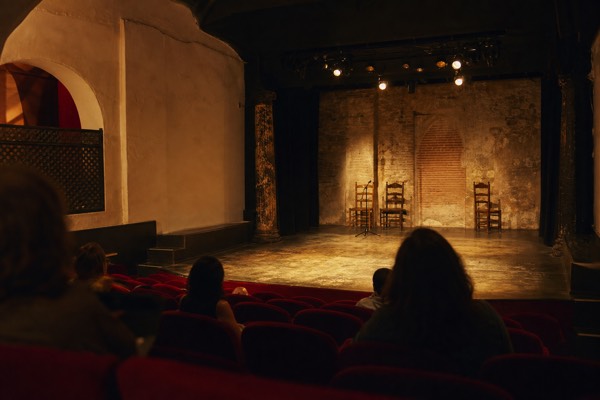
The most-reviewed flamenco ticket in the city by a wide margin. Six performers on a proper theater stage with theater sightlines and theater sound, an hour with no interruptions, several shows a night. If you want certainty that the production delivers, the numbers here are the argument.
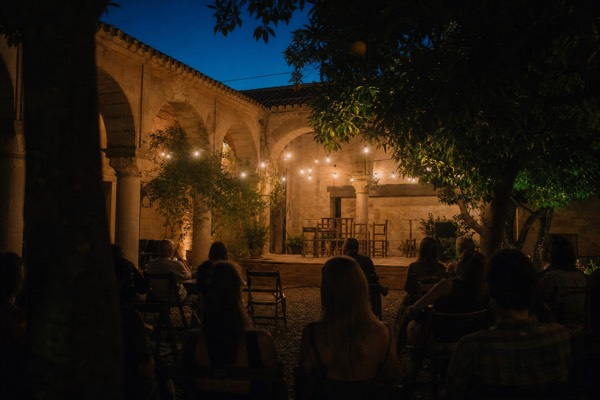
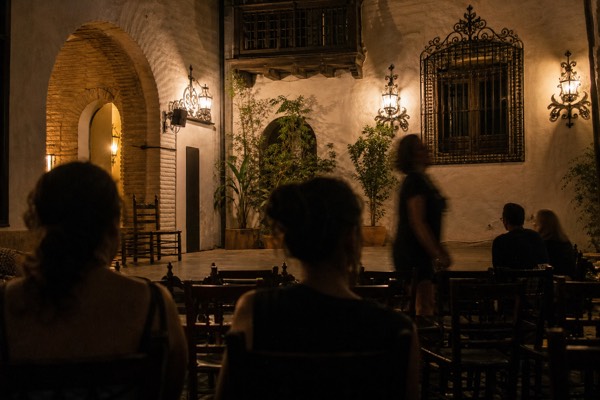
The evening show in the Flamenco Dance Museum's 18th-century courtyard, choreographed under the direction of Cristina Hoyos, with the museum itself as an optional add-on. Seating is first come, so arrive half an hour early; the courtyard rows fill fast.
1 hour · Centro Cultural Flamenco - Casa de la Memoria
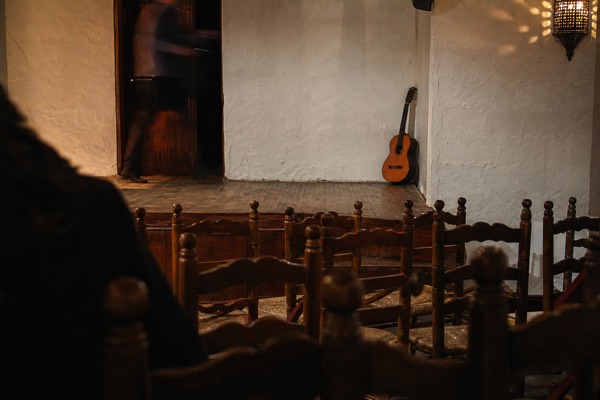
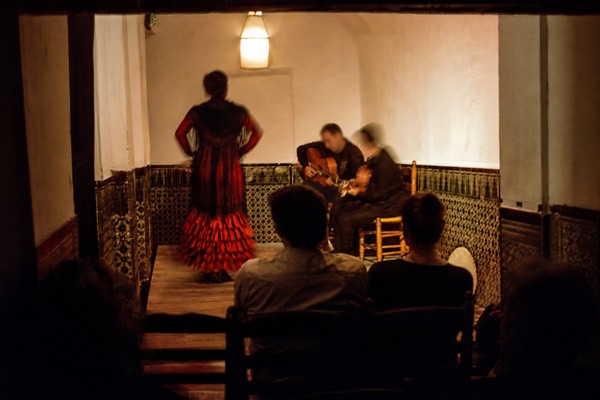
Four artists, no microphones, and a 15th-century palace room small enough that you hear the dancer breathe between phrases. This is the show for people who want the art itself, not a production around it. Seats are unnumbered and it sells out most nights, so book the early show or arrive well ahead.
Absolutely incredible show! The passion this group had was infectious. And the interaction between them was so sweet! Would highly recommend to anyone coming to the area!
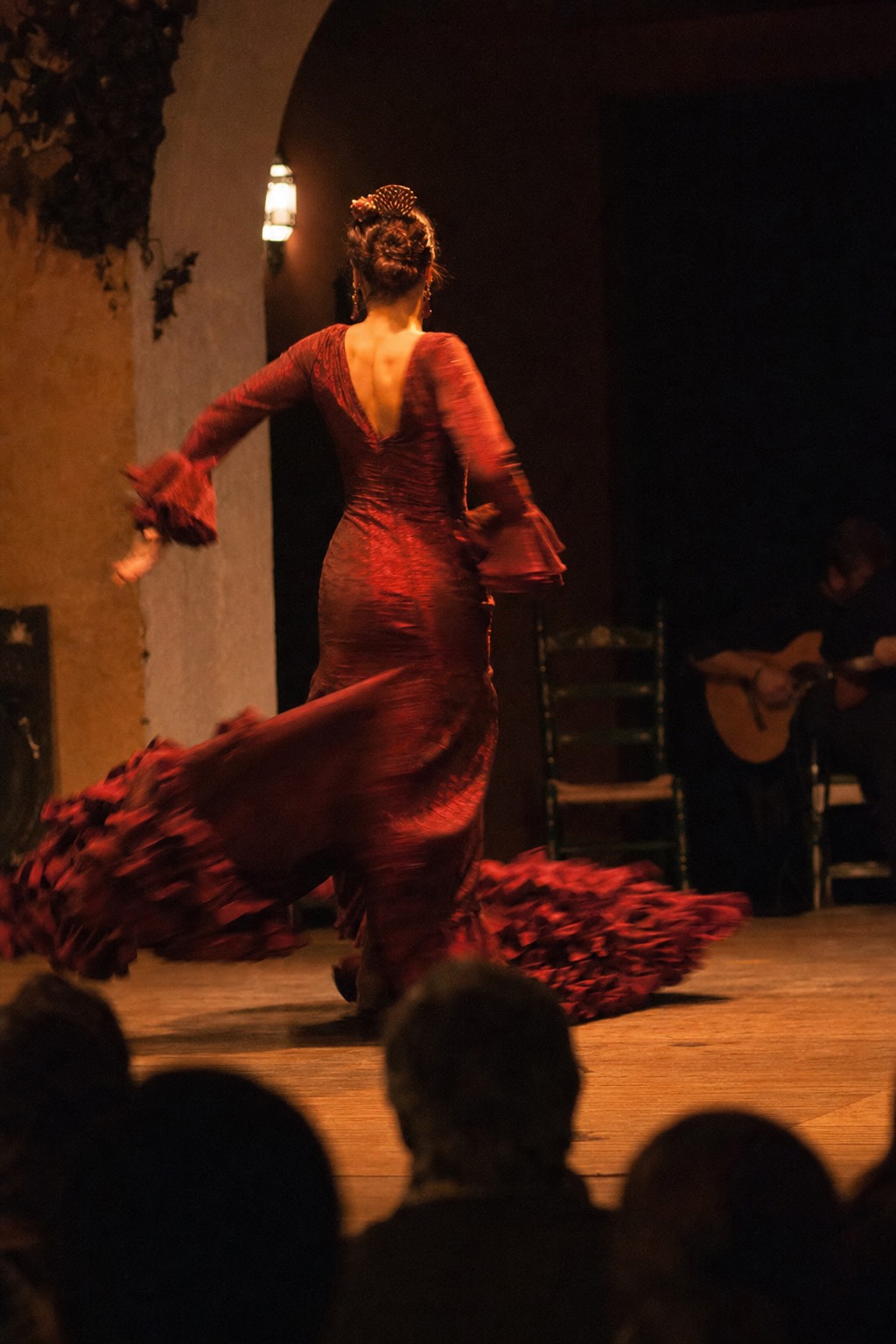
Absolutely fantastic! We had read the good reviews and glad we booked this Flamenco for our visit to Seville. Authentic, intense and intimate. The food (tapas) was delicious and the portion sizes were fantastic. The waiting staff were attentive. We were seated right next to the stage so close you could feel the vibrations on the stage and the swooshing of the dresses. Fabulous!!
A few of the reviews travellers have left on these shows, word for word.
See the rooms before you book
A feel for what a Seville tablao night actually looks like, from travellers and culture journalists who filmed their own visits.
We do not earn anything from these videos.
What a flamenco show in Seville costs
The spread runs $24 to $128, and the two ends are not the same product: one is a seat in a guitar-museum tablao, the other is a full evening with a rooftop dinner attached. What moves the price is the length of the show, whether a drink or a meal rides in the ticket, and how the room seats you. These are the current from-prices on the live listings.
What you are booking
From
What that buys
Classic tablao ticket
$24 to $44 per person
One hour to ninety minutes in a historic room, four to eight artists, seats a few meters from the boards. Two of the four run entirely without microphones. Seats are mostly unnumbered, so arriving early is the real upgrade.
Theater or museum stage
$29 to $47 per person
A proper stage, guaranteed sightlines and several curtains a night. The $34 museum-courtyard ticket adds optional entry to the Flamenco Dance Museum; the $47 vault show seats two rows inside 12th-century stonework with a drink in hand.
Dinner show, same room
$42 to $58 per person
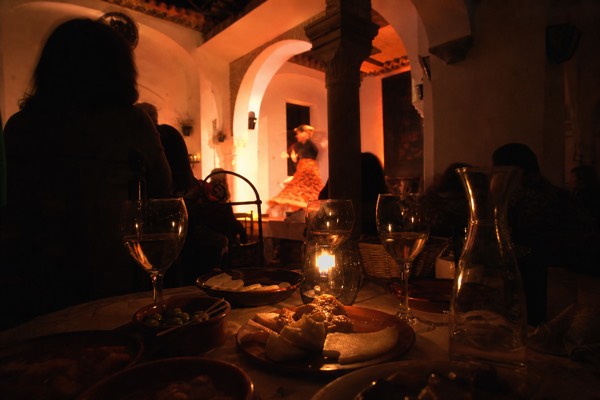
The show with a table in front of it: a drink at the base tier, tapas rounds or a three-course menu above it. The two rooms here field twelve to fifteen performers, the biggest casts in the lineup.
Full-evening package
$112 to $128 per person
The stitched-together nights: a four-hour Triana tapas crawl with four drinks ending in a show seat, or a show at Las Setas followed by a multi-course rooftop dinner facing the lit cathedral, hotel pickup included.
Free flamenco
$0
Real, and honestly covered here: La Carboneria pours free half-hour sets most nights, and buskers work Plaza de España most afternoons. You pay in queueing, noise and no guaranteed seat; the arithmetic is in our free flamenco guide.
Where the shows actually are
Seville's flamenco rooms cluster in three walkable pockets, and no show on this site needs more than a taxi ride. Two things worth knowing before you book: the famous tablao district is Santa Cruz, but the neighborhood that raised the art form is Triana, across the river, and its rooms are smaller, cheaper and closer.
Barrio Santa Cruz The old Jewish quarter holds the classic core: Los Gallos on Plaza Santa Cruz since 1966, La Casa del Flamenco's courtyard, Casa de la Guitarra, and the Museo del Baile Flamenco with its courtyard show and vault show. Everything is within a ten-minute walk of the cathedral.
The center: Calle Cuna to Las Setas Casa de la Memoria sits on Calle Cuna in a 15th-century palace, Teatro Flamenco Sevilla plays its six-performer production toward the Alameda side, and the rooftop-dinner evening starts at Tablao Flamenco Las Setas under the timber canopy.
El Arenal, by the bullring The dinner-tablao district: Tablao El Arenal has held its 17th-century room for fifty years, and Tablao Andalusí runs its first-timer's hour with a filmed introduction nearby.
Triana, across the river Cross the Puente de Isabel II and the rooms shrink and sharpen: Pura Esencia on the Calle Betis riverside, Baraka on Calle Pureza, Orillas de Triana in the backstreets, and Teatro Flamenco Triana carrying the neighborhood's name onto a proper stage.
Near Santa Justa station El Palacio Andaluz runs the biggest staged production in the lineup out by the train station, with a flamenco dress museum before curtain. The one venue where a taxi beats walking.
Show times, dinner times and getting home
Seville eats late and the shows know it. First curtains run from 6 pm, last shows start as late as 10:30, and the local rhythm is a 7 or 8 pm show with dinner after, at the hour Spanish kitchens actually wake up. Nothing here requires transport planning beyond a walk or a short taxi.
Staying in Santa Cruz or the center
The easy case. Every tablao and theater except El Palacio Andaluz is within a fifteen-minute walk of the cathedral. Book the show, walk there, walk back through streets that are their own show after dark.
The Triana evening
Ten minutes on foot across the Puente de Isabel II from the center. Do it the local way: a tapas bar on or behind Calle Betis at 8, the 9 pm show, dinner after. The lit river walk home is the free encore.
Dinner timing
Kitchens open around 8:30 pm and locals sit at 9:30 or 10. An early show then a late table is the city's own pattern; the dinner shows exist for nights when one booking should do all of it.
Late-night transport
The metro runs to about 11 pm on weeknights and to around 2 am on Friday and Saturday nights, the tram similar, and taxis plus ride apps work around the clock. After a 10:30 show you will still get home without drama.
Arriving early
The unnumbered-seat rooms reward it: doors open 20 to 30 minutes before curtain and the front rows go to the queue, not the ticket type. The theaters seat you regardless, which is exactly their appeal after a long day.
Show times and policies above are read from each venue's live listing; exact curtains for your date are confirmed when you book.
Tickets, etiquette and the rules nobody tells you
The right show for a first night, an anniversary or a purist
Occasions are what most of these bookings actually are, and the right room depends on the night. A first-timer wants Tablao Andalusí's filmed introduction or the theater's guaranteed comfort. An anniversary wants the rooftop dinner with the cathedral lit in front of the table. A purist wants Casa de la Memoria or La Casa del Flamenco, unamplified and severe in the best way. And anyone who has already done the classic night wants Triana: Pura Esencia's riverside room at 4.9 is where the second visit goes. The full ranking argues all of it honestly.
The 7 and 8 pm curtains go first
Small rooms fill from the middle slots outward, Friday and Saturday ahead of the week, and Feria week in April plus the September Bienal squeeze the whole calendar. Every show here cancels free up to 24 hours out, so holding a seat early costs nothing; the policies are marked plainly on every card.
From $24 for the guitar-museum tablao in Santa Cruz up to $128 for a show plus rooftop dinner facing the cathedral. The middle of the market is $27 to $47: classic tablaos run $24 to $44, theater and museum stages $29 to $47, and same-room dinner shows start at $42 with a drink. Prices move with the date and show time, so the live listing is always the authority; every card on this site opens it.
What is the difference between a tablao and a theater show?
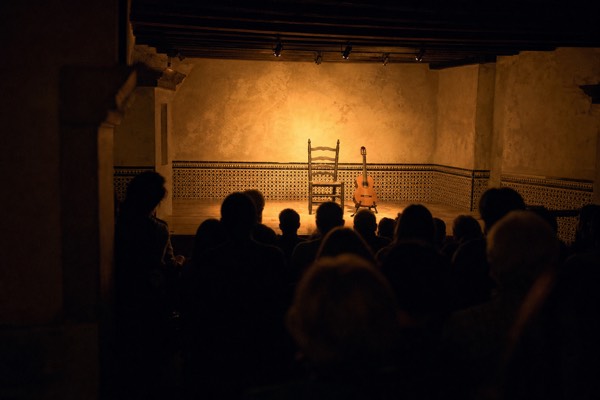
Size and distance. A tablao is a small room, forty to a hundred seats, with the artists a few meters away and, in two of the rooms here, no amplification at all. A theater show puts the same art on a proper stage with raked seating, air conditioning and several hundred seats. The tablao wins on intimacy, the theater on comfort and certainty. Neither is the fake version; they are different rooms for different evenings.
How long is a flamenco show?
One hour is the standard set almost everywhere in Seville, played straight through without an interval. The long exception is Tablao Los Gallos, which runs ninety minutes with eight artists. Dinner formats stretch the evening rather than the show itself: the tapas-tour night runs four hours door to door, and the rooftop package fills the whole evening.
Is there a dress code?
No formal one anywhere in the lineup. Smart casual is the room average: Sevillanos dress a notch up in the evening, and the dinner shows skew slightly dressier than the tablaos. What actually matters is noise discipline, not clothing: heels on a wooden floor mid-solea carry further than any outfit choice. August rooms are air conditioned; a light layer covers the rooftop terrace after dark.
Can children come to a flamenco show?
Depends on the room, by each venue's own rule: Casa de la Memoria and Teatro Flamenco Triana say not under six, the Arabian vault show not under ten, Baraka not under four. The theater production and the dinner shows handle families most gracefully, with bigger rooms and more forgiveness for a whisper. Check the policy line on the listing before booking a mixed group.
Do I need to understand Spanish?
No. There is no plot and no dialogue; the singing is in Spanish, much of it in an Andalusian dialect that even native speakers half-follow, and it works as pure music. The one preparation that genuinely pays is ten minutes on what the forms mean, a solea versus a bulerias, which is exactly what Tablao Andalusí's filmed introduction and the Dance Museum visit are for.
Should I book ahead or buy at the door?
Book ahead, for two reasons that stack: the small rooms genuinely sell out, especially the 7 and 8 pm shows on Friday and Saturday, and online from-prices generally beat the door. Every show on this site cancels free up to 24 hours before curtain, so an early booking is a free option, not a commitment. Feria week in April and the September Bienal are the dates that punish waiting hardest.
Is the free flamenco at La Carboneria any good?
Often, yes, and it is a real Seville institution: free entry, roughly half-hour sets through the evening, pay only for your drinks. The trades are a queue for seats, a room that chats through the quiet passages, and no control over which set you catch. Treat it as a bar with flamenco rather than a show, enjoy it on those terms, and book a tablao for the night you want the art undiluted.
Santa Cruz or Triana for the show?
Santa Cruz for the classic first night: the historic tablaos, the museum, everything walkable from the cathedral. Triana for the second night or the smaller room: cheaper tickets, closer seats, and the neighborhood that actually raised the art form on the other side of the bridge, with the best tapas streets in the city around the venue. The honest answer for a two-night stay is one of each.
Helpful reading before you book a Seville flamenco show
The longer answers, written out properly: which room earns your one night in town, what the money buys, and how the whole evening fits together.
Carmen is a Seville-based flamenco show specialist and cultural experience guide who has taken international visitors to live flamenco in this city since 2015, more than a thousand travellers along the way. The venues, the neighborhoods and the etiquette of a Seville flamenco night are her daily patch. She does not run or perform in any show listed here; what she does is check them.
Every show listed here was read on its live booking page. Every rating and review count is the platform's own figure at the time it was read, checked twice on separate passes, and every price is the current from-price on that listing rather than an estimate. Where two reads of the same figure disagreed, the figure is not printed.
Nobody at this site operates any of these shows. Venue histories come from the venues' own pages and the listings' stated facts; the UNESCO inscription and festival dates come from the official sources themselves. When something here is opinion, it reads like opinion; when it is a number, it was checked.
An unamplified palace room, a theater with nineteen thousand reviews, a dinner table with the stage in front of it, or a Triana room where the palmas land on you. The city runs all four every night; the casts rotate, the rooms do not.