Tablao flamenco in Seville: what the room is, and how to pick one
The word means plank floor, and that floor is the whole point. Everything else about a tablao follows from putting a dancer on wood a few feet from your chair.
 By Carmen Ruiz, Seville flamenco show specialist & cultural experience guide
Short answer
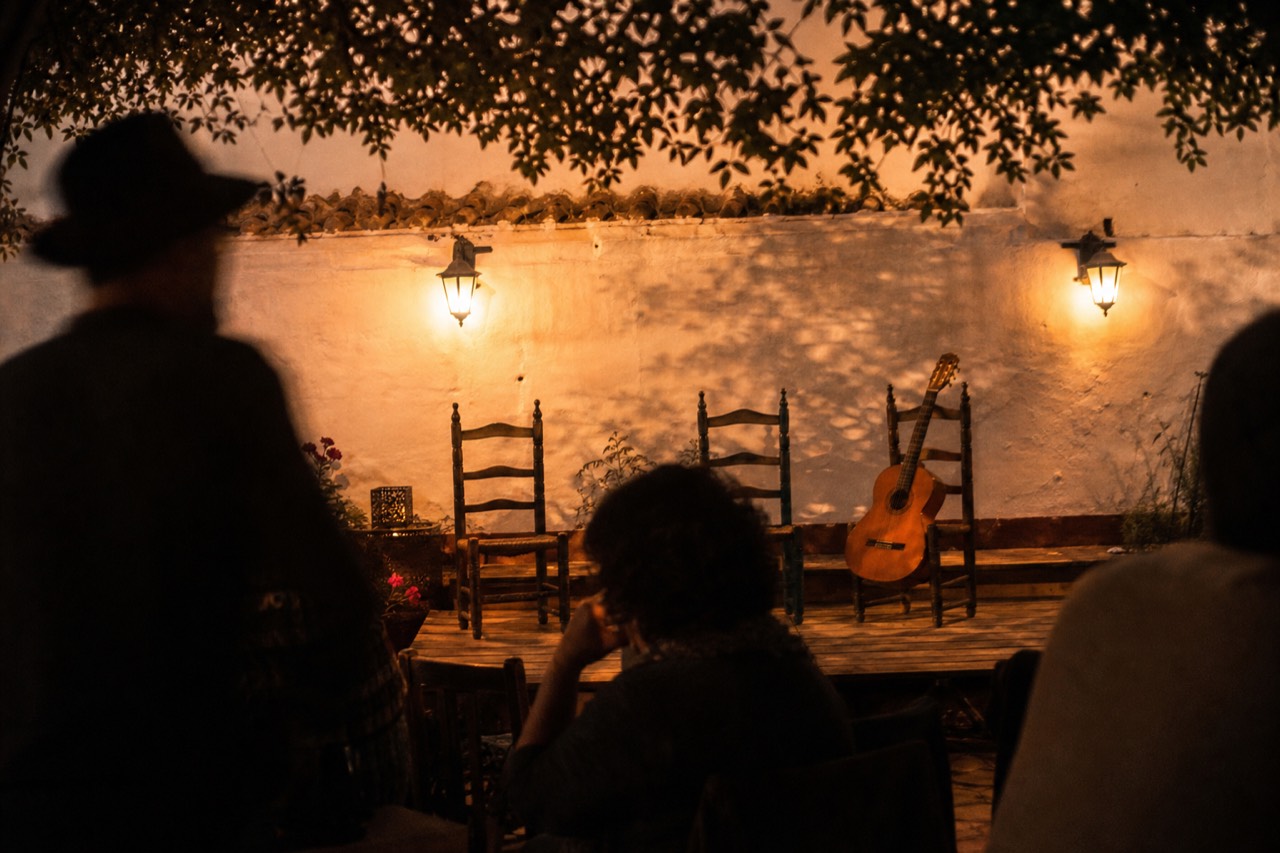
A tablao is a small commercial room built around a raised plank floor, where a handful of artists perform close to a seated audience for about an hour. Seville has four classic rooms in the centre, from $24 to $44, with two of them stating that no microphones are used at all.
Tablao comes from tabla, a board. The room is named after its floor, which tells you what the format was built to do: raise a dancer onto resonant wood, put chairs close enough that the wood does the amplifying, and let sixty to ninety minutes pass without scenery, interval or plot. Nothing in a tablao is designed to impress you from a distance, because there is no distance to cross.
That single design decision explains most of the differences travellers notice between one Seville room and the next. Cast size, ticket price, whether a microphone appears, whether you get a numbered seat, whether the show runs twice or four times a night: all of it descends from how many chairs a room can put around a plank floor and still let you feel it. This guide sets out what the format is, where it came from, how it differs from a theater production, and how Seville's four classic rooms actually compare.
What is a tablao, exactly?
A tablao is a small commercial venue built around a raised wooden stage, where a compact company of dancers, singers and guitarists performs a set programme for a seated, ticketed audience. Sets typically run an hour. Casts run from four artists to eight. The audience is close enough that footwork arrives as vibration rather than as sound alone.
Four elements make the format. The plank stage, which resonates under the zapateado and turns the dancer into a percussion instrument. The cuadro, the small company that shares the stage: usually one or two dancers, a singer or two and a guitarist, sometimes with palmeros clapping the compás. The seated, paying audience, which distinguishes a tablao from a bar where flamenco happens at the edge of the room. And the programme, a planned sequence of palos rather than an improvised night.
What a tablao is not is a folk demonstration. The artists in Seville's rooms are working professionals playing a set list to a rhythmic structure that runs on twelve beats in many of the forms you will hear. The improvisation happens inside the compás, not around it. That is why audiences are asked not to clap along, a point covered properly in the guide to when to shout and when to sit still.
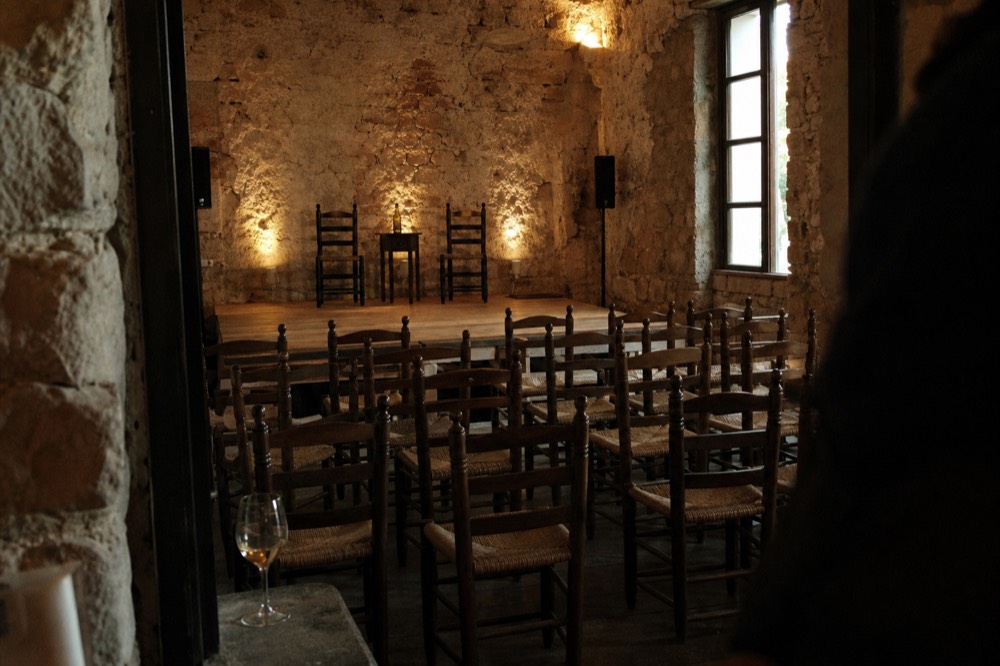
Room scale varies more than the listings suggest. Casa de la Guitarra runs a genuinely tight room in Santa Cruz. Casa de la Memoria stages its hour in a 15th-century palace off Calle Cuna with unnumbered seats. La Casa del Flamenco uses a 15th-century courtyard with natural acoustics, opening its doors twenty minutes before the show. Los Gallos on Plaza Santa Cruz fits eight artists on stage at once, which needs a bigger board and a deeper room.
Where did the tablao come from?
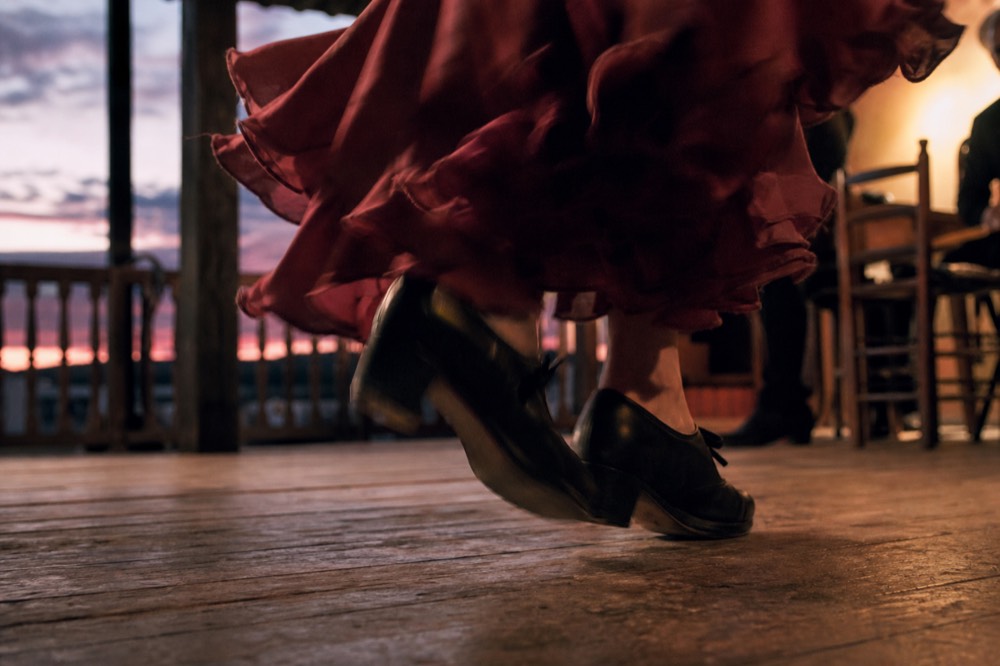
Flamenco developed inside Gitano communities in Andalusia from the 15th century onward, mixing Romani musical traditions with Andalusian folk forms, Arab-Andalusian music from Al-Andalus and Sephardic Jewish elements. The tablao as a nightly ticketed room is far younger, a commercial format that took its modern shape in the middle of the twentieth century.
The history most visitors arrive with needs correcting on one point. The claim that flamenco was banned under Franco is a popular simplification. There was no blanket ban. The regime promoted flamenco as a national symbol and a tourist attraction, particularly after the Second World War when foreign currency mattered, while censoring lyrics and artists it judged subversive. Public performance did thin out through the Civil War and the postwar years, and that thinning is what later got remembered as prohibition.
The documented state persecution sits much earlier and was aimed at people rather than music. The Great Gypsy Round-up of 1749, ordered under Ferdinand VI, imprisoned or forcibly relocated thousands of Gitanos across Spain as part of the Pragmática assimilation laws. That is the real record, and it is a harder story than the tidy one about a dictator banning a dance. The longer version, with the sources laid out, sits in the piece on why people say flamenco was banned.
What followed is the awkward part of the tablao's own lineage. State support for tablaos and festivals in the postwar decades was economic, driven by tourism, and the commercial room you buy a ticket for today grew inside that arrangement. Seville's oldest continuous example opened on Plaza Santa Cruz in 1966 and has been running ever since. In 2010 UNESCO inscribed flamenco on the Representative List of the Intangible Cultural Heritage of Humanity, which changed the international profile of the art without changing the shape of the room.
| When | What happened | Why it matters to the room you sit in |
|---|---|---|
| 15th century onward | Flamenco develops in Gitano communities in Andalusia, blending Romani, Andalusian, Arab-Andalusian and Sephardic elements | The art is a fusion, not a single inheritance |
| 1749 | The Great Gypsy Round-up under Ferdinand VI imprisons or relocates thousands of Gitanos under the Pragmática laws | The documented persecution targeted a people, not a music |
| 1930s to 1940s | Civil war and postwar austerity thin out public performance | The gap later mis-remembered as a ban |
| Postwar decades | The regime promotes flamenco for tourism and foreign currency while censoring subversive lyrics and artists, and backs tablaos and festivals for economic reasons | The commercial tablao takes its modern form |
| 1966 | Tablao Los Gallos opens on Plaza Santa Cruz | Seville's longest continuously running tablao |
| 2010 | UNESCO inscribes flamenco on the Representative List | International recognition and a rise in visibility |
How is a tablao different from a theater flamenco production?
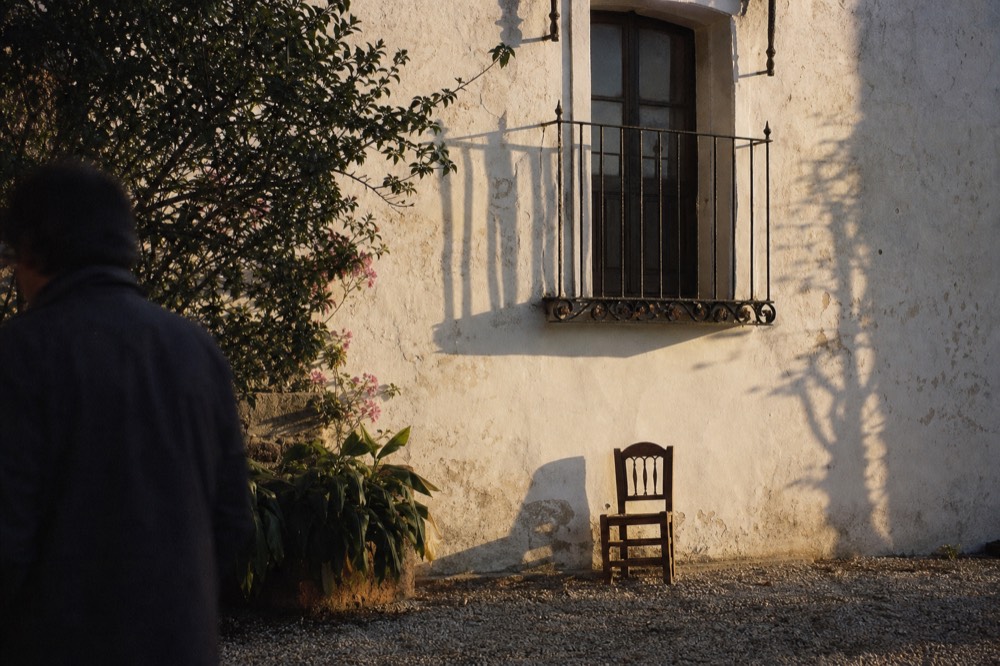
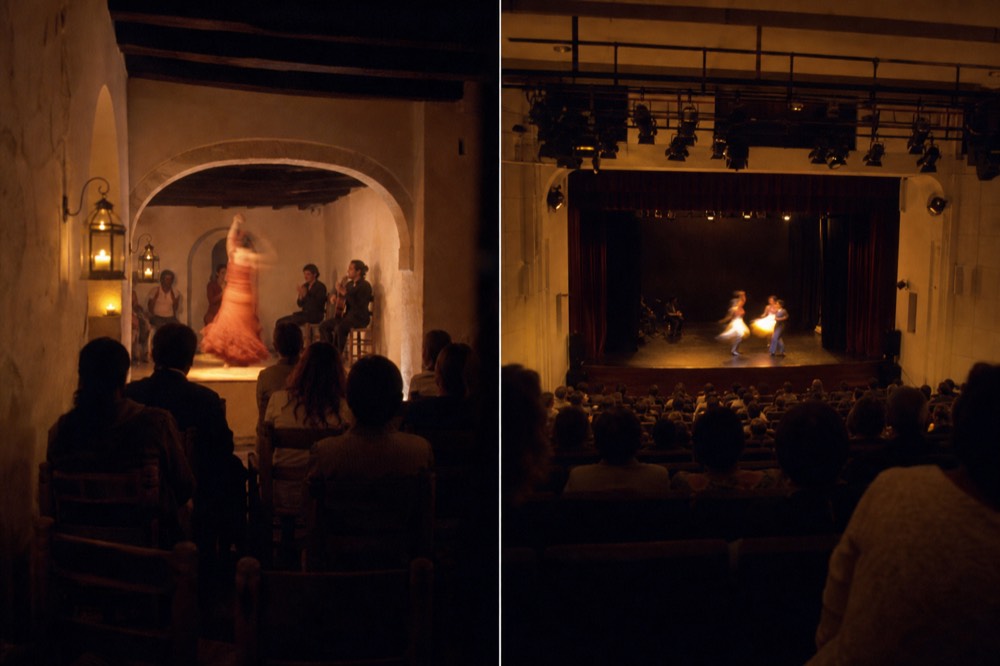
A tablao sells proximity, a theater sells staging. The tablao gives you four to eight artists on a plank floor a few metres away, usually for an hour, often with unnumbered seats. A theater or museum stage gives you a designed lighting rig, a larger cast, several curtains a night and a seat you can rely on.
The trade is not about quality. Teatro Flamenco Sevilla holds 4.7 stars across 19,771 reviews, the largest review base of any flamenco listing in the city, and it opens at $29, the same entry price as three of the four classic tablaos. Nobody is charging a premium for production values here. What the theater format removes is the accident of the small room: the dancer's breath, the guitarist's fingernail on the string, the sense that a set could go somewhere unplanned.
Museum stages sit between the two. Puro Flamenco plays in the 18th-century courtyard of the Museo del Baile Flamenco, on a Roman temple footprint, with choreography directed by Cristina Hoyos, and seating is first-come, so the listing asks you to arrive thirty minutes early. Flamenco Dreams goes the other way entirely, staging its hour in a 12th-century Almohad vault under the same museum with only two rows of seats. Both are catalogued in Seville's theater and museum stages.
The fourth category is the dinner package, where the show is scheduled around a kitchen. That changes the pacing, and it changes the room, because a venue serving three courses to two hundred covers needs table service lanes that a tablao does not. It is a legitimate evening, and it is a different evening.
| Format | Typical length | Cast | Seating | Entry band | What you trade |
|---|---|---|---|---|---|
| Tablao | 60 to 90 min | 4 to 8 artists | Often unnumbered | $24 to $44 | No scenery, no interval, sightline by arrival |
| Theater or museum stage | 60 min | 6 or more | Defined or first-come | $29 to $47 | Intimacy for lighting, scale and several curtains |
| Dinner show | 75 to 90 min plus dining | Up to 15 | Table seating | $42 to $128 | Banquet-timed cooking, longer evening |
| Free bar night | About 30 min per set | Varies | Whatever you claim | No entry, drinks only | Sightlines and reliability |
What is a peña, and can a visitor go to one?
A peña is a members' flamenco club rather than a ticketed venue, run by and for aficionados rather than for visitors. None of the sixteen bookable shows in Seville tracked on this site is a peña. In practice a traveller's realistic options are the tablao, the theater or museum stage, the dinner package and the free bar night.
The distinction matters because the word gets used loosely in travel writing, usually to imply that the real flamenco is happening somewhere you cannot buy a ticket to. That framing does a disservice to the professionals working four sets a night on Calle Betis. The artists in Seville's tablaos are not performing a diluted version for outsiders, they are performing the repertoire under commercial conditions, which is how most working flamenco has been performed since the format existed.
The genuinely non-commercial option in the city is simpler than a members' club and open to anyone. La Carbonería charges no entry, you pay only for drinks, and it runs casual sets of around thirty minutes through the evening, with starts often around 7 pm or 8:30 pm depending on the night. Get there before roughly 7 to 7:20 pm if you want to sit down. It is loose, loud and unreliable in the specific sense that you cannot know in advance what you will get, and that is precisely its appeal. The honest assessment lives in the guide to the free bar sets at La Carbonería.
One more note on vocabulary. Cuadro means the company on stage. Tablao means the room and the floor. Peña means the club. A visitor who wants to hear working flamenco on a Tuesday in Seville should stop looking for a secret and start looking at start times, which are set out further down this page.
How do Seville's four classic tablao rooms compare?
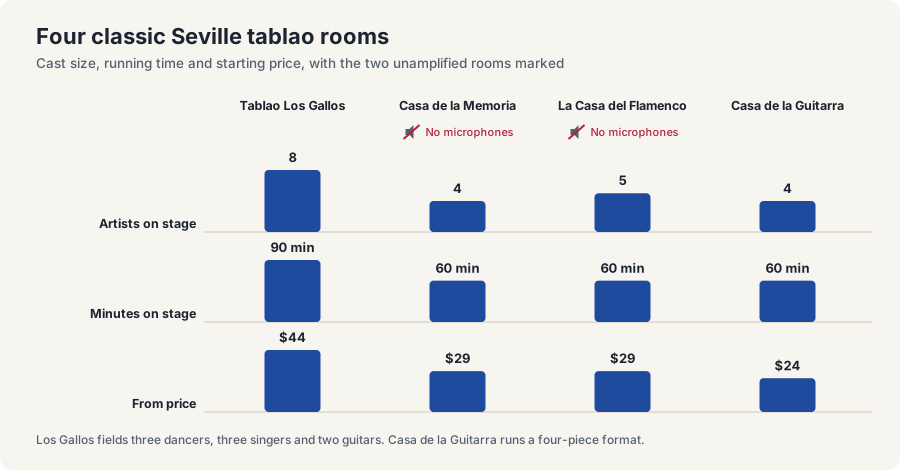
Los Gallos runs the fullest format at eight artists across ninety minutes from $44. Casa de la Memoria and La Casa del Flamenco run unamplified hours from $29 with four and five artists. Casa de la Guitarra opens the market at $24 in a tight room hung with a historic flamenco guitar collection.
Cast size is the first fork. Eight artists at Los Gallos means three dancers, three singers and two guitarists, so the programme can alternate solos, duos and full-company numbers across ninety minutes rather than rotating a pair through sixty. The room holds an International Flamenco Award from 2024 and has been running since 1966, and it rates 4.8 across 526 reviews. It also costs about half again what the $29 rooms charge, and there is no drink in that price. Anyone weighing the fuller cast should check which nights still have seats, because ninety-minute rooms sell out earlier than hourly ones.
The two palace rooms are the connoisseur choice. Casa de la Memoria puts four artists in a 15th-century palace off Calle Cuna, 4.7 across 1,088 reviews, unnumbered seating, not recommended for children under six. La Casa del Flamenco puts five in a 15th-century courtyard in Santa Cruz, 4.7 across 687 reviews, doors twenty minutes before, also not recommended under six. Both state that no microphones are used.
Casa de la Guitarra is the value entry and the one with the strongest sense of place, because the walls carry a historic flamenco guitar collection and the show sits inside it. At $24 and 4.7 across 426 reviews, it is the cheapest ticketed room in the city. The trade is space: it is small, and a tall person in front of you is a genuine problem. The full set with photographs and prices sits in the four tablao rooms in the centre.
| Room | Artists | Length | From | Rating (reviews) | Setting |
|---|---|---|---|---|---|
| Tablao Los Gallos | 8 (3 dancers, 3 singers, 2 guitars) | 90 min | $44 | 4.8 (526) | Plaza Santa Cruz, running since 1966 |
| Casa de la Memoria | 4 (2 dancers, singer, guitar) | 60 min | $29 | 4.7 (1,088) | 15th-century palace, Calle Cuna |
| La Casa del Flamenco | 5 (2 dancers, 2 singers, guitar) | 60 min | $29 | 4.7 (687) | 15th-century courtyard, Santa Cruz |
| Casa de la Guitarra | Quartet format | 60 min | $24 | 4.7 (426) | Historic guitar collection on the walls |
Do tablaos use microphones, and does it matter?
Two of Seville's classic rooms state plainly that no microphones are used: Casa de la Memoria and La Casa del Flamenco, the latter describing its 15th-century courtyard as naturally acoustic. In an unamplified room the singer's voice arrives with its breaks intact and the footwork reaches you through the floor as much as through the air.
Amplification is not a cheat. A room seating a hundred and fifty people needs it, and a well-mixed show at a theater stage sounds better than a badly balanced acoustic one. What amplification changes is the relationship between effort and sound. When a singer in an unamplified courtyard pushes into the top of a soleá, you hear the cost of the note. Through a speaker, the cost is smoothed out, and what reaches you is the shape of the phrase without the strain that produced it.
There is a practical consequence too. Unamplified rooms are quiet rooms, which means a phone alert, a whispered translation or a rustling bag is audible to everyone including the artists. Both palace rooms discourage children under six for exactly this reason. If you are travelling with someone who cannot sit through an hour in silence, an amplified stage is the kinder choice for everybody.
For a first flamenco experience, the acoustic hour is the version that changes minds, and the five-artist courtyard is the easiest one to get into, so it is worth a look at what is available on your dates before you settle on a bigger room. If you want a second night for contrast, the smaller riverside rooms are gathered in the intimate rooms across the river.
| Room | Sound | Room note | Age rule stated |
|---|---|---|---|
| Casa de la Memoria | No microphones | Palace courtyard, unnumbered seats | Not recommended under 6 |
| La Casa del Flamenco | Natural acoustics, no mics | Courtyard, doors 20 min before | Not recommended under 6 |
| Casa de la Guitarra | Small-room sound | Guitar collection on the walls | None stated |
| Tablao Los Gallos | Amplified stage | Deeper room for eight artists | None stated |
| Teatro Flamenco Triana | Stage sound | Strict no-photos hour | No under-6s |
What does a tablao ticket cost in Seville, and what is included?
Classic tablao entry runs $24 to $44 for the show alone. Locally, show-only tablao entry commonly sits at €20 to €25 and usually includes one drink, so the listings track the walk-up rate rather than sitting above it. Rooms that include a drink at the lower end, like Baraka at $27, are the real value in the market.
Read the price as a description of what is bundled. None of the four classic centre rooms includes a drink at the base price, and all four run show-only formats. Cross the river and the picture changes: Baraka on Calle Pureza includes a drink at $27, Pura Esencia includes one at $35 and adds skip-the-line entry, and Orillas de Triana runs the classic quartet at $26 without a drink. Reference points at the top of the market help calibrate: locally, the Las Setas room lists from €28 with a cocktail included and El Arenal sits around €49.50.
The cheapest ticketed hour in the city remains Casa de la Guitarra at $24, and for a first night it does the job the format is supposed to do. Anyone building an evening on a budget can check the current price and availability and still keep enough back for a proper dinner afterwards, which in Seville does not start until nine anyway.
One reassurance that applies across the board: every one of the sixteen bookable shows tracked here cancels free up to 24 hours before the performance. Booking the room you actually want three days out therefore costs nothing in flexibility, and it is the difference between the seat you chose and whatever is left. Buying in advance also tends to beat the door price, which is the pattern across the city's listings.
| Room | From | Drink included | Extra included | Quarter |
|---|---|---|---|---|
| Casa de la Guitarra | $24 | No | Guitar collection as the setting | Santa Cruz |
| Tablao Orillas de Triana | $26 | No | Classic quartet format | Triana |
| Baraka Sala Flamenca | $27 | Yes | No under-4s policy stated | Triana |
| Casa de la Memoria | $29 | No | Unamplified hour | Centro |
| La Casa del Flamenco | $29 | No | Unamplified courtyard, early doors | Santa Cruz |
| Tablao Pura Esencia | $35 | Yes | Skip-the-line entry | Triana |
| Tablao Los Gallos | $44 | No | Eight artists, 90 minutes | Santa Cruz |
What time do tablao shows start in Seville?
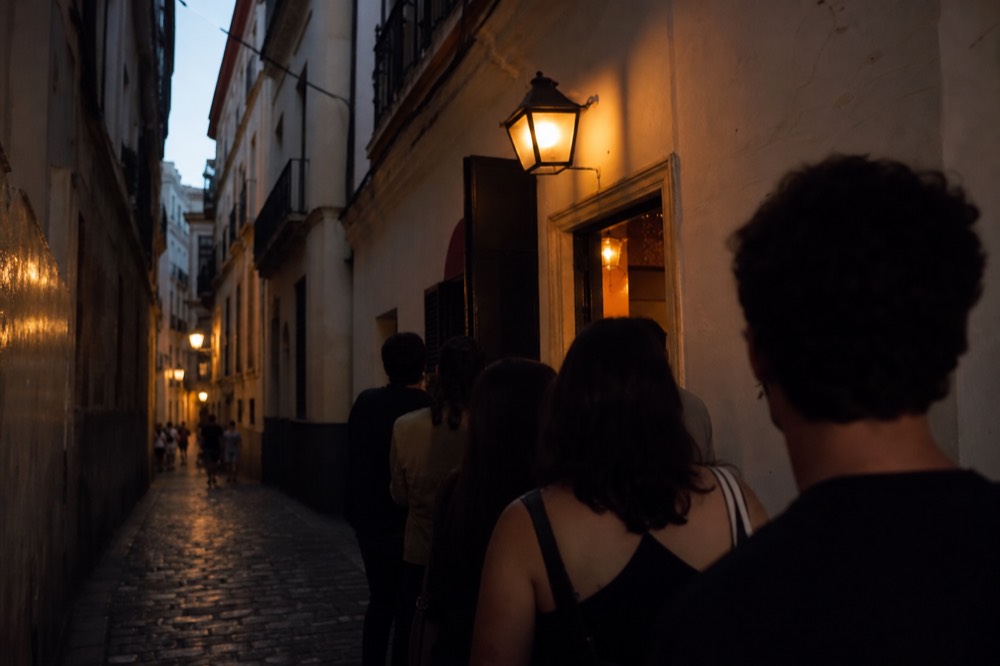
Most rooms run one to four sets a night, with starts clustered between 6:00 pm and 8:30 pm. Busy venues programme four hourly shows, for example at 18:00, 19:30, 21:00 and 22:30, while smaller rooms often run two, around 18:30 and 20:30. Spanish dinner does not begin until 9:00 pm, so an early curtain fits the local evening perfectly.
The scheduling logic is worth understanding because it decides your whole night. A 6:00 pm or 6:30 pm set finishes before the restaurants properly open, which in Seville means sitting down between 9:00 and 11:00 pm with locals rather than eating at a tourist hour in an empty dining room. An 8:30 pm set flips the order: eat tapas early, watch late, walk home along the river.
An early curtain also leaves the afternoon with nothing much in it, which is where the city's Arab baths earn their place. They sit in the same Santa Cruz lanes as several of these rooms, so an hour in the water is a short walk from your seat rather than a trip across town, and you can book a slot here as a separate booking from the show.
Transport sets the outer edge. The metro runs until around 11:00 pm Monday to Thursday and later at weekends, with Friday and Saturday service to about 2:00 am. The tram runs to roughly 11:30 pm on quiet days and between 1:30 and 2:00 am on busy ones, and taxis and app cars operate around the clock. Official timetables for the city's metropolitan transport are published by the provincial tourism board.
For an early set, arrival timing matters more than departure timing. La Casa del Flamenco opens its doors twenty minutes before the show. Puro Flamenco asks for thirty minutes because seating is first-come. Casa de la Memoria does not number its seats. In each case the difference between arriving on the hour and arriving twenty minutes early is the difference between the second row and the back wall.
| Time | What is happening | Practical note |
|---|---|---|
| 16:30 | Occasional extra set in high demand at the busiest rooms | Rare, and worth checking in peak season |
| 18:00 to 18:30 | The common first set of the evening | Best slot if you are eating dinner afterwards |
| 19:30 to 20:30 | The second set, the fullest across the city | Book earliest, this is the popular slot |
| 21:00 | Late set at multi-show rooms | Eat tapas first, dine after or not at all |
| 21:00 to 23:00 | Restaurants fill, local dinner hour proper | Kitchens open around 20:00 to 20:30 |
| 22:30 | Final set at four-show rooms | Metro runs to about 23:00 midweek |
What will you actually hear in a tablao hour?
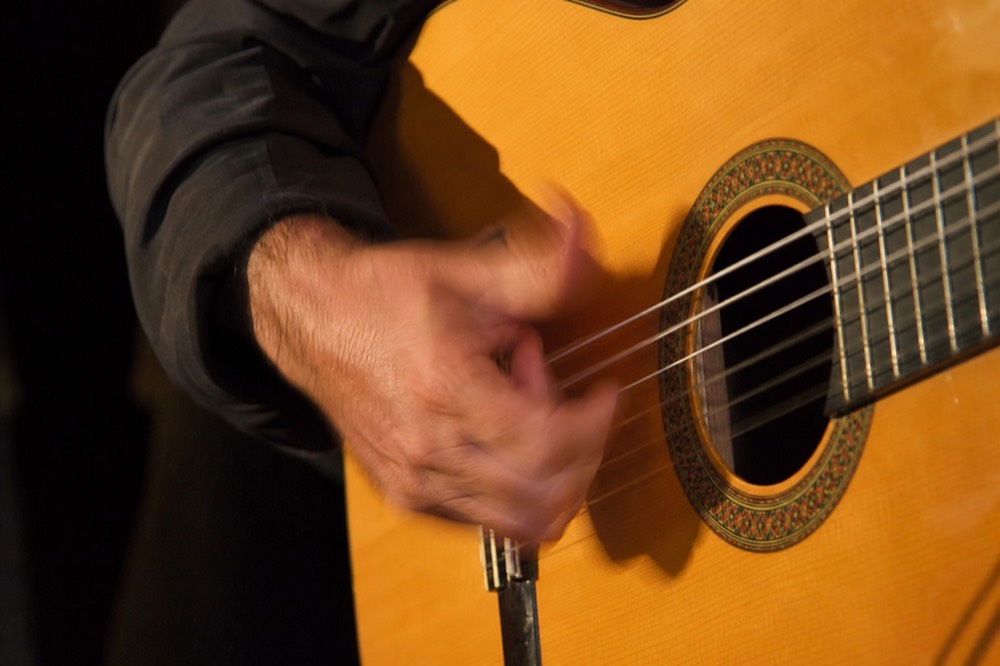
Expect four to six numbers drawn from the standard palos: a slow soleá, a bright alegrías, a farruca danced by a man, and a bulerías to finish because it is fast and festive. More than fifty palos exist in the catalogue, but only about fifteen to twenty appear regularly in professional programmes.
Knowing three words changes the hour. Compás is the rhythmic cycle, and many of the forms you will hear run on twelve beats with accents that fall where an untrained ear does not expect them. Palo is the form itself, defined by rhythm, mood and structure. Duende is the word everyone uses for the thing that occasionally happens when a performer is possessed by the material, and it is used sparingly by people who know what it means.
The programme usually has a shape. Something bright and rhythmic opens, to bring a room of strangers into the compás. The middle goes deep, often into cante jondo territory, where the singing is modal, sorrowful and difficult to listen to casually. Then the tone lifts for the finale, which is why so many tablao hours end in bulerías with the whole cuadro on their feet.
The dancing vocabulary is smaller than it looks. Zapateado is the footwork, and in a good room you feel it through the soles of your shoes. Bata de cola is the long-trained dress, and the moment a dancer kicks the train into a turn is one of the few reliably audible gasps in a tablao. Once the vocabulary makes sense, the choice of room does too, and the honest ranking of all sixteen shows sorts them by the kind of night rather than by price alone.
| Term | What it means | Where you meet it |
|---|---|---|
| Palo | A song and dance form defined by rhythm, mood and structure | The programme is a sequence of them |
| Compás | The rhythmic cycle, twelve beats in many forms | Held by the guitar and the palmas |
| Soleá | Slow, profound twelve-beat palo, central to deep song | Usually the weight of the set |
| Alegrías | Joyful twelve-beat palo associated with Cádiz | Often the bright opening number |
| Bulerías | Fast, festive, improvisational twelve-beat palo | Almost always the finale |
| Farruca | Dramatic, slower palo, traditionally danced by men | The male solo |
| Cante jondo | Deep song, the most emotionally intense singing | When the room goes completely quiet |
| Zapateado | Rhythmic footwork and stamping | The passages you feel in the floor |
| Bata de cola | The long-trained dress | The turn where the train is thrown |
| Duende | The spirit that takes hold of a performer | Rare, and unmistakable when it lands |
Frequently asked questions
What does the word tablao actually mean?
It comes from tabla, meaning board or plank, and refers to the raised wooden stage the dancer works on. The floor is structural to the art form, because zapateado is percussion and wood is the instrument. The word then transferred from the stage to the venue built around it.
Which is better, a tablao or a theater flamenco show?
Neither, they sell different things. A tablao puts four to eight artists a few metres from your chair for about an hour, often with unnumbered seats. A theater stage gives a bigger cast, designed lighting, several curtains a night and a defined seat. Entry prices overlap almost exactly, from $29 either way, so the choice is about proximity, not budget.
How long does a tablao show last in Seville?
Sixty minutes is the standard across the city's rooms. Los Gallos runs ninety with eight artists on stage, and El Arenal runs seventy-five as a dinner tablao. There is no interval in the hour-long format, which is part of why it works.
Do tablao tickets include a drink?
Not in the four classic centre rooms, which are show-only at the base price. Across the river, Baraka includes a drink at $27 and Pura Esencia includes one at $35 with skip-the-line entry. Dinner-show venues bundle drinks and food into tiered prices instead.
Should I book a tablao in advance or turn up?
Book. The classic rooms are small by design and the 19:30 to 20:30 slot fills first across the city. Every bookable show tracked here cancels free up to 24 hours ahead, so an early booking protects your choice of room without locking you in.
Is a tablao show suitable for children?
Depends on the room, and the listings are specific. Casa de la Memoria and La Casa del Flamenco both say the show is not recommended under six, partly because the rooms are unamplified and quiet. Baraka sets a floor at four. Teatro Flamenco Triana admits no under-sixes and enforces a strict no-photos hour.